Across Nigeria, millions of people send, receive, save and trade value on blockchain-based platforms every day. Freelancers are paid in stablecoins. Traders protect their savings from currency swings. Young people explore tokens and decentralised apps.
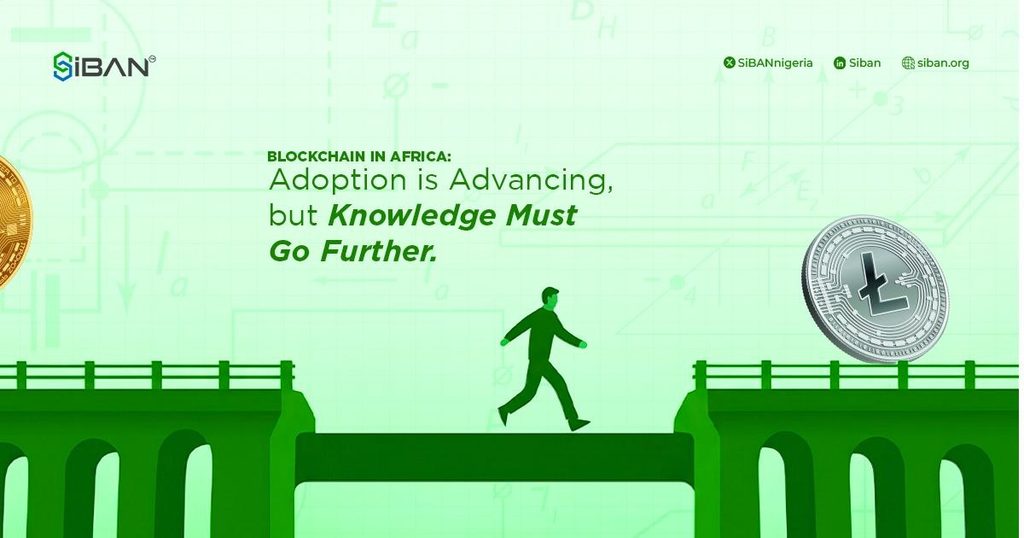
Over the years, there has been progress in educating people about blockchain technology. Industry associations, educational initiatives, community engagements, conferences and regulatory conversations have helped bring blockchain into wider public discussions. More people are becoming familiar with its applications and possibilities.
However, increased awareness does not necessarily mean deeper understanding.
When people use technology they do not understand, they become easy targets. Ponzi schemes dressed up as crypto investments, fake giveaways, lost seed phrases and panic selling during price swings all point to a common problem: users making financial decisions without sufficient knowledge to assess the risks.
This matters because the quality of an ecosystem depends not only on adoption but also on the knowledge of the people driving it. Builders without strong foundations risk creating fragile products. Industry stakeholders without sufficient technical understanding may misrepresent the technology or overlook important risks. Policymakers without technical grounding may over-regulate out of caution or under-regulate out of uncertainty.
When these groups cannot speak the same language, the entire ecosystem pays the price.
Understanding Must Reach Every Sector
Knowledge gaps are not limited to everyday users. Players in the financial sector and other major industries often have limited understanding of blockchain technology. This shapes how they see it, and too often it is viewed as a scam, or as a system where young people go to make quick money, rather than as infrastructure that can improve how their industries work.
That narrow view limits impact. Blockchain can strengthen payments, supply chains, land administration, identity systems and more, but only when decision-makers in those sectors understand what it can and cannot do. If we want real impact, understanding of this technology must be adopted across all sectors, not confined to the crypto community.
Why Does This Matter for the Continent?
Blockchain is far bigger than trading. It can power cross-border payments, trade finance, land records, digital identity, supply chain traceability and remittances: the infrastructure that economies run on.
But systems built on trust need people who understand how they work, where their limitations lie and what makes them reliable.
A continent of informed users, skilled builders and knowledgeable regulators can develop solutions around its own economic realities.
What Deeper Understanding Looks Like
Education must continue to reach three critical groups:
Users: The basics of how blockchain works, how to secure their assets, identify scams and assess risks before participating.
Builders and Industry Players: The technical knowledge and ethical grounding to develop responsibly, communicate accurately and understand the technology beyond its commercial opportunities.
Policymakers and Regulators: Sufficient working knowledge to create rules that protect people, address risks and support responsible innovation.
The next phase of blockchain education must go beyond introducing people to the technology. It must build the capacity to question, evaluate, develop and make informed decisions about it.
How SiBAN Is Contributing to the Progress
As the Stakeholders in the Blockchain Technology Association of Nigeria, SiBAN recognises education as a foundation for the sustainable development of the blockchain industry.
The Association brings together industry players, regulators and builders, using its position to translate complex ideas into accessible conversations. Through policy engagement, public discussions, conferences, stakeholder collaborations and its free Telegram community, SiBAN continues to contribute to industry education and greater public understanding.
SiBAN also advocates for consumer protection, responsible industry practices and clear, innovation-friendly regulation.
While progress has been made in bringing blockchain technology to wider public attention, more work remains. Education must reach beyond new entrants and extend to existing industry participants, including those shaping conversations, developing solutions and influencing the direction of the ecosystem.
The future of Africa's digital economy will not be built by those who simply use blockchain. It will be built by those who understand it well enough to use, develop and regulate it responsibly.
Are you a blockchain professional, builder, enthusiast or organisation interested in contributing to the growth of the ecosystem? Connect with SiBAN through membership@siban.org and be part of the conversations shaping Nigeria's blockchain industry.
Join our free Telegram community to stay informed and engage with the wider blockchain ecosystem.