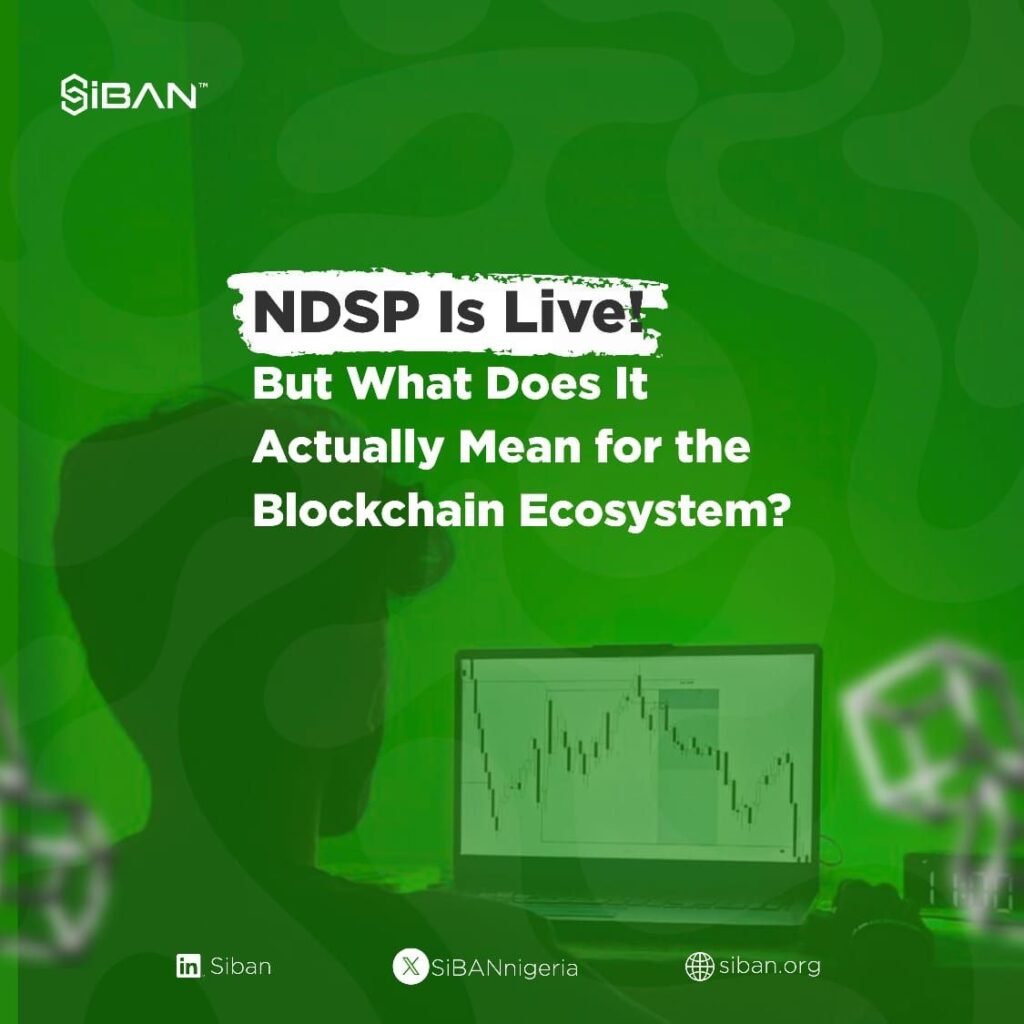
NASD's new digital securities platform is a genuine first for Nigeria, but launching a platform is only the opening move. The real story lives in the questions about who gets to participate, how fast trust builds, and whether this becomes a turning point or a slow burn. SiBAN, who have spent years pushing for clearer licensing and regulatory certainty, this launch is a live test of everything the association has been advocating for. Here's what's worth sitting with as the market watches what comes next.
Who benefits first?
With the maiden offering scheduled for September, will early access favor institutional players with existing capital market relationships, or will everyday retail investors, the same base driving Nigeria's stablecoin and P2P crypto activity get a genuine seat at the table from day one? The answer will shape public perception of the entire initiative.
Does "regulated" automatically mean "understood"?
NDSP operates within an established regulatory framework, which is reassuring on paper. But how many issuers, brokers, and everyday investors currently understand how tokenised securities actually differ from the stocks and bonds they already trade? This is exactly the literacy gap SiBAN has flagged in its engagements with NCMI regulation for trust; it doesn't solve for education.
Who decides what gets tokenised first?
Will it be blue-chip companies looking for a shiny new fundraising tool, or smaller businesses that have historically struggled to access Nigeria's capital markets at all? The choice of early issuers could define who this platform is really built for and whether it aligns with SiBAN's long-standing push for inclusive, not exclusive, digital finance.
Can liquidity actually follow the tech?
A regulated platform is one thing but tokenised securities are only as valuable as the ability to buy and sell them freely. Will NDSP attract enough active issuers and investors to create a genuinely liquid secondary market, or will it start as a quiet, thinly-traded experiment?
What happens after the debut?
NASD has said more issuances and announcements will follow the September launch. Will this open the floodgates for Nigerian companies looking to raise capital through tokenisation, or will growth stay cautious and selective while the market finds its footing?
Is this the licensing clarity?
SiBAN's recent engagement with the SEC made a direct case for expedited licensing of blockchain and virtual asset operators, arguing that clear rules are what unlock investor capital. NDSP, operating within an established regulatory framework, may be the clearest example yet of what that clarity looks like in practice and a signal that the advocacy is working.
Is this a signal to the rest of the industry? With NASD now leading from the front, will other exchanges and regulators accelerate their own digital securities frameworks or sit back and watch how this first offering performs before committing resources of their own?
And perhaps the biggest question of all: is Nigeria ready to trust tokenised paper the way it already trusts tokenised money?The infrastructure is finally in place. The technology works. The regulation exists. And associations like SiBAN have spent years building the case for exactly this moment. But infrastructure without adoption is just a well-built stage with no one on it yet and that's the story still being written.
SiBAN exists to ensure that Nigeria's blockchain industry is not left on the sidelines of that process. To be a part of this process, Send an email to membership@siban.org and join our Telegram Channel.